
We’ll help you know what to expect and provide specific aftercare instructions for you. In general, expect to take it easy and eat carefully for 2-3 days after an extraction.
Modern & gentle tooth extractions When is a tooth extraction necessary? After tooth extraction, it’s important for a blood clot to form to stop the bleeding and begin the healing process. Bite on a gauze pad for 30 to 45 minutes immediately after the appointment. If the bleeding or oozing persists, place another gauze pad and bite firmly for another 30 minutes. You may have to do this several times to staunch the flow of blood. Eat soft food and liquids for 24 hours after an extraction. Avoid hard, sharp, and sticky foods until you are fully healed. Our team will ensure you are numb and comfortable during the procedure. After the extraction, we may prescribe medications to manage any discomfort or infection. Every person is unique. If your wisdom teeth aren’t causing any problems, then there’s usually no reason to have them removed. If your wisdom teeth are causing problems, we’ll recommend removing them as soon as possible. Especially for teenagers, getting wisdom teeth extracted is a proactive way to prevent painful impaction, gum inflammation, and other issues in the future.
Tooth Extraction
Consult Now
Removing a tooth is always a last resort, but doing so may be necessary when dealing with severe decay, infection, or a tooth with a poor prognosis.
Whether you’re currently in pain and need an emergency extraction, you need a wisdom tooth removed, or you’ve been told you need a tooth removed and want a second opinion, we’re here to help.
A professional diagnosis is always needed to ensure that an extraction really is the best option for your dental health and future. Removing your tooth may be recommended if:
Wisdom teeth are causing or will cause overcrowding and/or pain
When decay or damage has made the tooth impossible to restore
Bone loss has occurred because of an oral infection
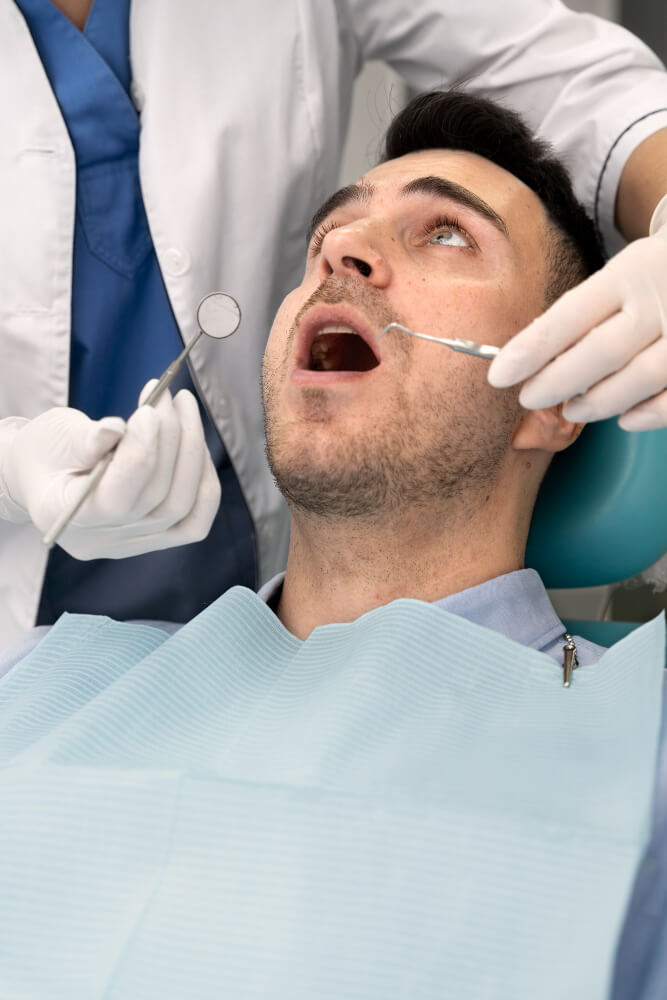
POST-OPERATIVE INSTRUCTIONS
After the blood clot forms, it is important not to disturb or dislodge the clot. Do not rinse vigorously, suck on straws, smoke, drink alcohol or chew on food next to the extraction site for 72 hours. These activities may dislodge or dissolve the clot and hinder the healing process. Limit vigorous exercise for the next 24 hours, as this increases blood pressure and may cause more bleeding from the extraction site.
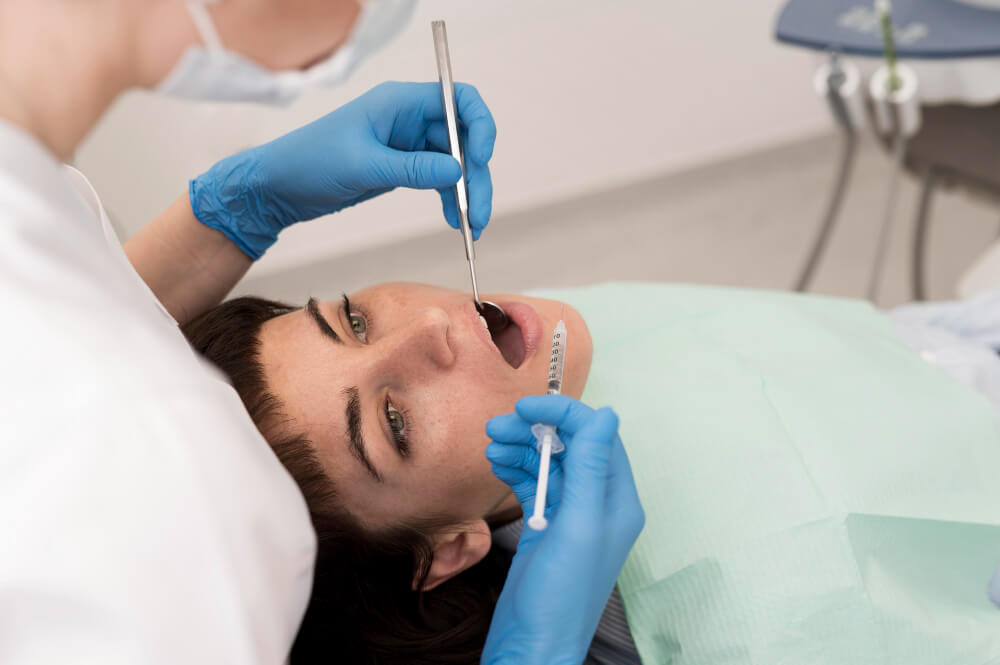
AFTER YOUR APPOINTMENT
Frequently Asked Questions